
Understanding the Edgewater Redevelopment and City Beach RV Park Decision
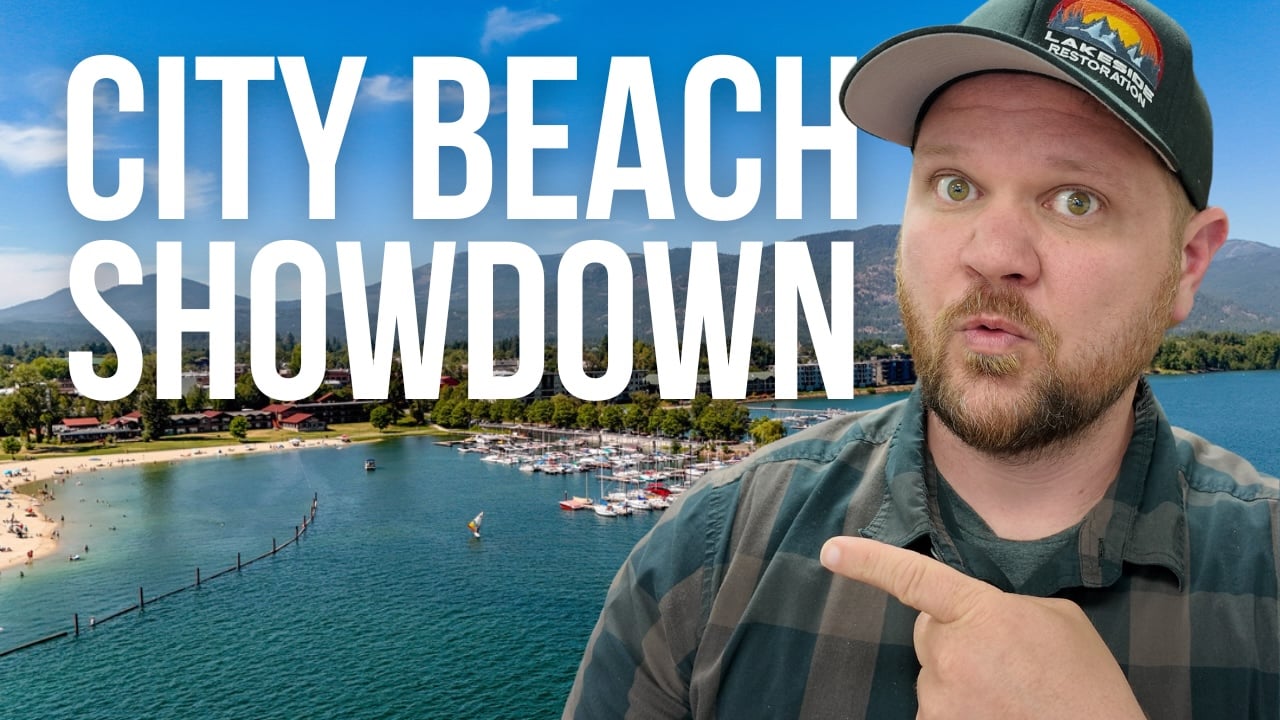
City Beach is one of the most heavily used public spaces in Sandpoint, Idaho. It’s where locals swim after work, families camp for the weekend, boaters launch at sunrise, and visitors form their first impression of town. Because of that, any proposed change near the waterfront tends to draw more attention than development elsewhere.
That context matters when looking at the proposals tied to the former Best Western Edgewater property and the nearby City Beach RV Park. What began as a hotel redevelopment concept evolved over time, expanding into conversations about parking, access, density, and the future of public waterfront land.
Below is a clear overview of how the proposal unfolded, what changed along the way, and where things stand today.
The purchase and early redevelopment plans
After acquiring the Edgewater property adjacent to City Beach, Averill Hospitality introduced plans to replace the aging hotel with a modernized waterfront project. Early concepts focused on rebuilding the hotel, adding a restaurant, and creating space capable of hosting events.
At that stage, the project was largely framed as reinvestment in an outdated property—upgrading lodging options near downtown and improving a prominent but aging site along the waterfront.
Who is Averill Hospitality?
Averill Hospitality is a family-run resort and hotel management company based in Montana with a portfolio of destination and lake-oriented properties in the region. The company has pointed to its experience operating resort properties in lakefront communities such as Whitefish, Montana as a reference point for the type of lodging and overall guest experience it hopes to bring to Sandpoint.
In addition to resort and hotel operations, the Averill family is an owner of PureWest Christie’s, a real estate company with an office in Sandpoint and multiple offices throughout Montana.
The project evolves: adding private residential units
As planning progressed, updated information showed the redevelopment would include not only hotel rooms but also privately owned residential units with the intended operation as short-term vacation rentals.
Nevertheless, this change shifted how some residents viewed the project. While still anchored in hospitality, the addition of private ownership introduced longer-term considerations related to year-round occupancy, traffic and parking demand, and the character of development adjacent to City Beach.
Supporters viewed this as a common feature of modern waterfront developments. Others questioned whether it moved the site away from being primarily visitor-focused.
Parking becomes the central issue
Over time, the conversation narrowed to one specific and practical concern: parking.
City Beach and downtown Sandpoint already experience congestion during peak summer months. Public presentations indicated the project would include fewer onsite parking spaces than many residents expected, relying on allowances within city code and alternative transportation strategies.
The developer stated that overflow parking would be handled through offsite locations with guests transported by shuttle, and that City Beach parking itself would not be designated for overflow use.
Even so, parking became the most tangible issue for many residents, as it directly affects daily use of the waterfront and downtown during the busiest times of year.
Expansion of the discussion: the City Beach RV Park
The debate intensified when proposals expanded beyond the hotel site to include the City Beach RV Park, a city-owned property adjacent to the waterfront.
As part of a funding and partnership proposal, Averill Hospitality requested long-term access to marina infrastructure, including use of multiple boat slips over an extended period, while retaining limited slips historically associated with the Edgewater’s previous operations.
Because this portion of the proposal involved city-owned land and public waterfront resources, it prompted significant public discussion and input.
The city’s decision
After months of review and public comment, the Sandpoint City Council voted 6–0 to retain ownership of the City Beach RV Park and move forward with city-led improvements rather than selling the property.
That decision clarified one major outcome of the process:
The RV park will remain a public asset under city ownership.
Why does this matter beyond one project?
This discussion reflects a broader reality in Sandpoint. With limited waterfront land, a strong tourism economy, and a small downtown footprint, development decisions near the lake tend to have ripple effects.
They influence parking and traffic, access to public spaces, neighborhood character, and long-term perceptions of livability—not just for visitors, but for people who live here year-round.
For residents, the process underscores the importance of public engagement.
For buyers and those considering a move, it highlights why understanding land use and growth patterns matters alongside price, location, and views.
This discussion fits into a broader pattern of how Sandpoint has approached growth and development in recent years, a topic explored further in this article on Sandpoint’s future growth and development.
Final Thoughts
Reasonable people have landed on different sides of this issue. Some see opportunity for reinvestment and modernization. Others emphasize protecting access and infrastructure in one of Sandpoint’s most heavily used public areas.
What’s clear is that this conversation reflects how deeply people care about the future of the waterfront—and how carefully growth is examined in a town where space is limited and shared.
For those considering a move or wanting to better understand how location and development decisions factor into home values, you can browse current homes for sale in Sandpoint here.
Check out this article next